
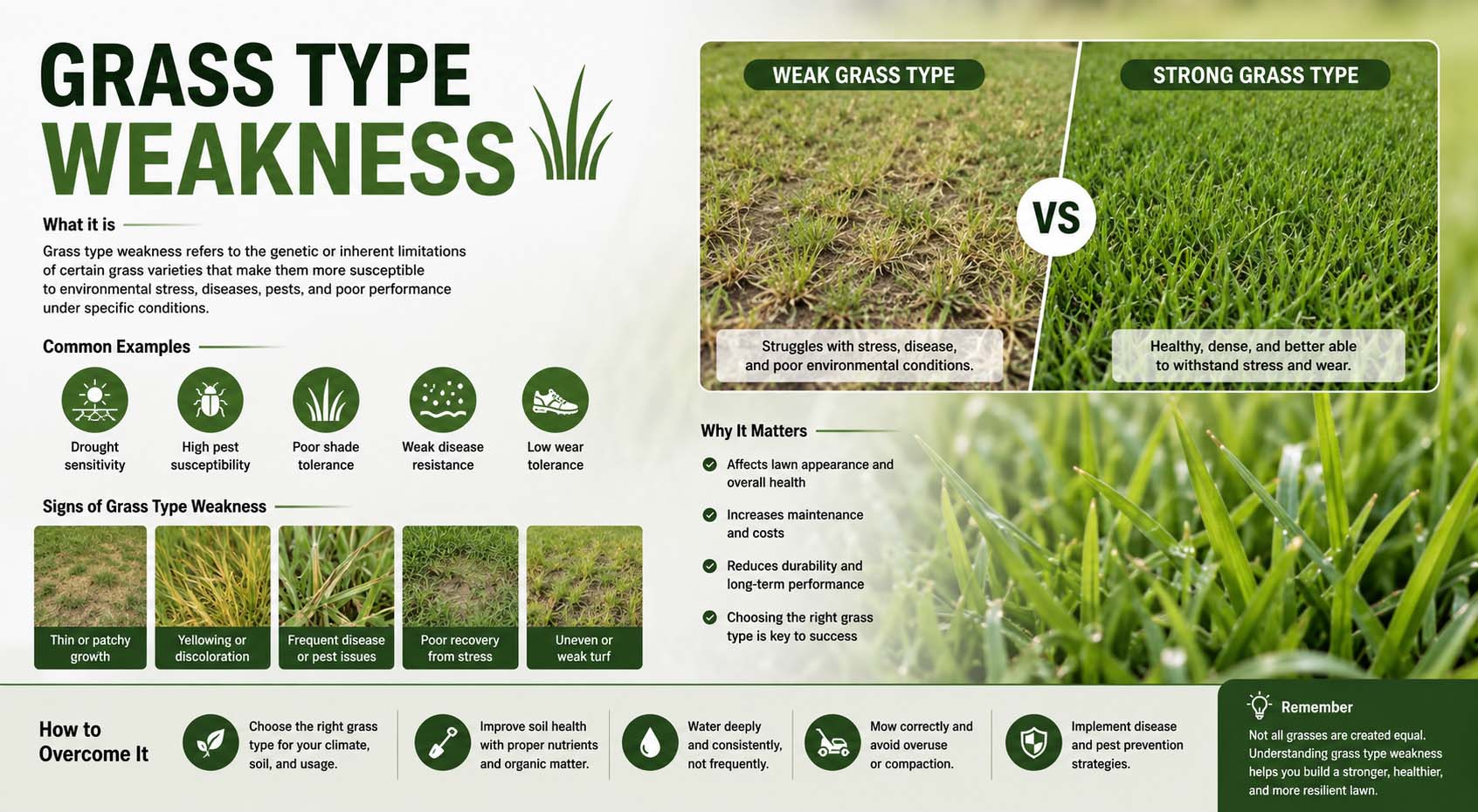
Overall, the Pokémon world is filled with different elemental types that create exciting battles and strategies. Among these types, Grass Pokémon are some of the most recognizable creatures in the franchise. For example, from classic starters like Bulbasaur to powerful modern Pokémon like Rillaboom, Grass-type Pokémon have always played an important role in battles. However, understanding grass type weakness is essential if players want to use these Pokémon effectively or defeat them in combat.
Generally, Grass Pokémon are known for their connection to nature, plants, forests, and healing abilities. In particular, they often use moves that drain health, create status effects, or control the battlefield. Despite their usefulness, Grass Pokémon also have several weaknesses that trainers must understand to build strong teams and improve battle performance.
Grass Type Pokémon Weakness
Overall, the main grass type Pokémon weakness comes from several elemental types that deal extra damage against Grass Pokémon. Specifically, Grass types are weak against Fire, Ice, Poison, Flying, and Bug attacks. Consequently, moves from these categories will inflict super-effective damage during battle.
In particular, Fire-type attacks are one of the most dangerous threats to Grass Pokémon. Since plants naturally burn easily, Fire moves such as Flamethrower or Fire Blast can quickly knock out Grass-type opponents. Therefore, trainers often avoid sending Grass Pokémon into battle against strong Fire users unless they have a strategic advantage.
Moreover, Ice-type attacks are another major concern. Because many plants struggle in freezing conditions, Ice moves are super effective against Grass Pokémon. For example, popular Ice attacks like Ice Beam or Blizzard can cause devastating damage, especially to dual-type Grass Pokémon that may have additional weaknesses.
Additionally, Poison types are effective against Grass Pokémon because toxins and chemicals can destroy plant life. Therefore, moves such as Sludge Bomb and Poison Jab are commonly used to counter Grass types in competitive battles.
Furthermore, Flying Pokémon represent another major danger. Since birds and airborne creatures often feed on plants or inhabit environments where plants are vulnerable, Flying-type moves can be especially effective. For example, moves like Brave Bird or Aerial Ace can quickly overwhelm Grass Pokémon during combat.
Finally, Bug-type attacks are strong against Grass Pokémon because insects naturally consume plants in the real world. Therefore, moves like X-Scissor and Megahorn can exploit this weakness effectively.
Overall, understanding these weaknesses helps trainers make smarter decisions during battles and team building. Likewise, collectors can learn about the different types of pokemon cards associated with Pokémon types, rarities, and gameplay roles.
Pokémon Grass Type Weakness and Strengths
When discussing Pokémon grass type weakness, it is also important to understand the strengths of Grass Pokémon. Although they have several vulnerabilities, Grass types are strong against Water, Ground, and Rock Pokémon. Therefore, this balance prevents Grass Pokémon from becoming too weak overall and gives them important roles in battle strategies.
In particular, Grass Pokémon often excel at controlling longer battles. For example, many of them can recover health using moves like Giga Drain, Leech Seed, or Synthesis. Additionally, they frequently inflict status effects such as Sleep Powder or Stun Spore, making opponents easier to defeat.
Despite these advantages, trainers must be careful about switching Grass Pokémon into dangerous matchups. Therefore, competitive players usually predict incoming Fire or Flying attacks and change Pokémon accordingly. Ultimately, good strategy is essential when using Grass types successfully.
Moreover, dual typing can significantly affect Pokémon grass type weakness. For example, a Grass- and Poison-type Pokémon like Venusaur loses some weaknesses while gaining others. In comparison, a Grass- and Steel-type Pokémon such as Ferrothorn becomes resistant to many attacks but gains an extreme weakness to Fire-type moves.
As a result, this combination system makes Pokémon battles deeper and more strategic. Therefore, trainers who understand type interactions gain a major advantage over opponents.
Grass-Type Pokémon Weakness Across Generations
Generally, the concept of Grass-type Pokémon weakness has remained consistent throughout nearly every Pokémon generation. Since the original Pokémon Red and Blue games, Grass Pokémon have maintained the same core vulnerabilities. Consequently, this consistency helps experienced players quickly understand battle matchups even when new Pokémon are introduced.
For example, many famous Grass Pokémon demonstrate these weaknesses clearly in gameplay. First, Bulbasaur struggles against Charmander because of Fire attacks. Similarly, Exeggutor fears Bug-type moves because its Psychic typing adds even more vulnerability. Finally, Abomasnow faces a dangerous quadruple weakness to Fire because of its Grass and Ice combination.
Furthermore, competitive Pokémon battles often revolve around exploiting weaknesses while protecting teammates. Therefore, Grass Pokémon are frequently paired with Water or Fire allies to create balanced teams. For example, the classic Fire-Water-Grass core remains one of the most popular strategies in Pokémon history because each type effectively covers the others’ weaknesses.
Additionally, weather effects can influence Grass-type Pokémon weakness. For example, sunny weather boosts Fire attacks, making Grass Pokémon even more vulnerable. However, sunlight can also strengthen Grass moves and recovery abilities, creating interesting tactical situations.
Meanwhile, players interested in another fan-favorite Pokémon can learn how to evolve eevee into umbreon.
Grass Type Weakness Pokémon Matchups
Overall, learning about grass type weakness Pokémon matchups is especially important in competitive battles and gym challenges. In particular, certain Gym Leaders and Elite Four members rely heavily on Grass Pokémon. Therefore, trainers must prepare proper counters before facing them.
Generally, Fire Pokémon are the safest option against Grass opponents because they resist Grass moves while dealing super-effective damage. For example, popular choices include Charizard, Arcanine, and Cinderace. Similarly, Flying Pokémon such as Staraptor or Talonflame perform very well against Grass types.
Although Bug Pokémon are sometimes overlooked, they can be extremely effective counters. For example, powerful Bug attackers like Scizor or Volcarona can dominate many Grass Pokémon with strong offensive moves.
Why Grass-Type Pokémon Remain Popular
Despite their multiple weaknesses, Grass Pokémon remain extremely popular among fans. In particular, their designs are often creative and inspired by flowers, trees, dinosaurs, mushrooms, and jungle creatures. Consequently, Pokémon like Venusaur, Sceptile, Leafeon, and Decidueye have become fan favorites across generations.
Moreover, Grass Pokémon fit well into adventure-based gameplay because they symbolize nature and growth. Therefore, many players choose Grass starters because they enjoy strategic battles and status-based gameplay rather than pure offense. Similarly, players who enjoy collecting nature-inspired companions can explore the best pets in grow a garden.
Conclusion: Understanding Grass Type Weakness
Overall, understanding grass type weakness is essential for every Pokémon trainer. Specifically, Grass Pokémon are weak against Fire, Ice, Poison, Flying, and Bug attacks, making careful strategy necessary during battles. At the same time, however, they offer valuable strengths, healing abilities, and tactical advantages that keep them important in both casual and competitive gameplay.